
Behind the curtains of voice artists and voiceover
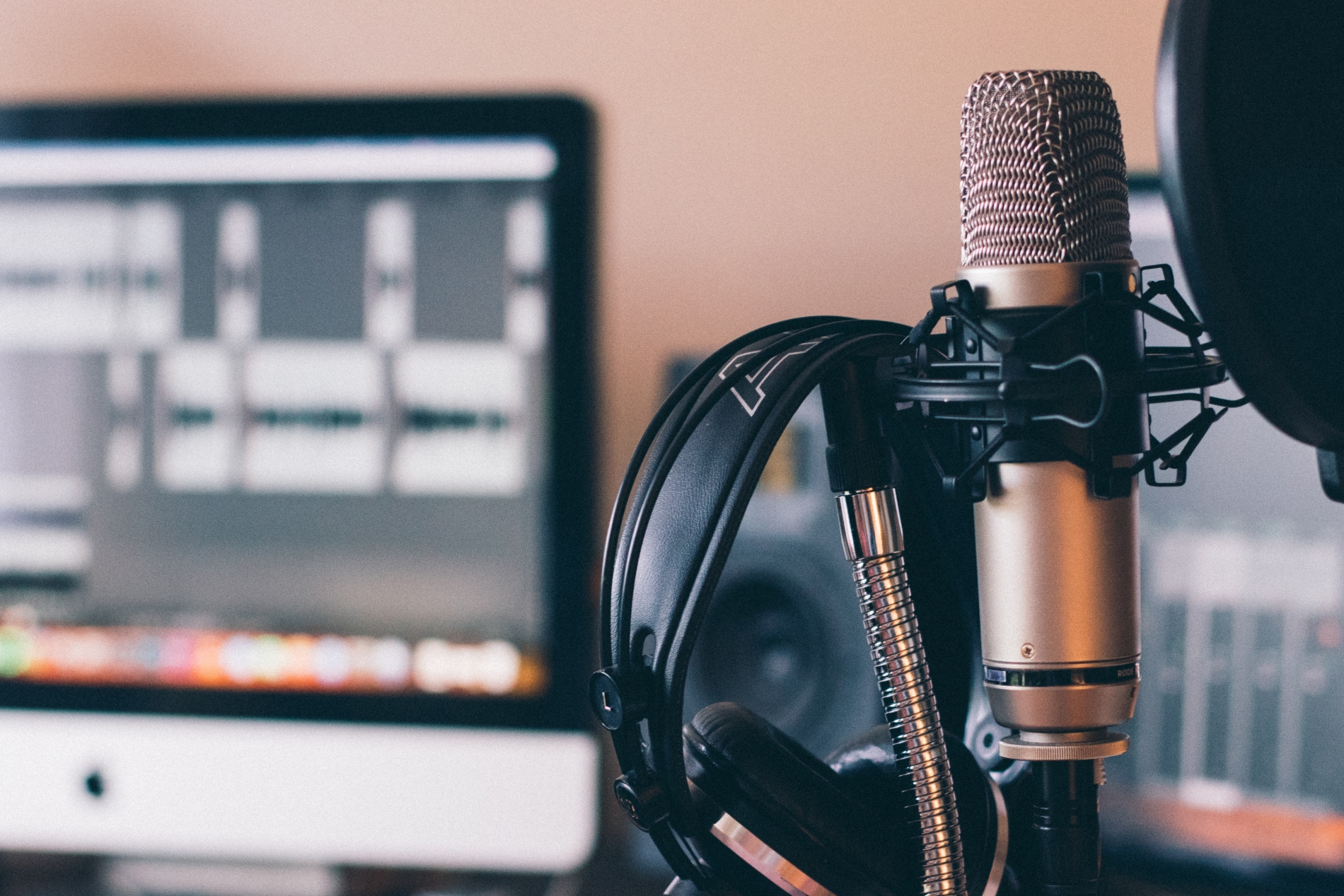
Rarely do people realize how often they hear a voiceover in their daily lives. It is an integral part of all types of modern media, video and audio content. But let's take a look behind the scenes and see what it is and how it can serve us.
HISTORY
It is believed that the first voiceover in cinema was created by Walt Disney for Mickey Mouse in "Steamboat Willie". Although this was in 1928, in fact, the first radio voiceover was performed in 1900! It was made by Reginald Fessenden, a Canadian inventor. He was excited about Alexander Graham Bell's new device, the telephone. Working for the United States Meteorological Bureau, Fessenden recorded the world's first voiceover: a weather forecast. A few years later in 1906 in Boston, during the Christmas season, he recorded a whole program of music, biblical lyrics, and Christmas messages for ships at sea.
Today, many famous actors have gained huge publicity from their participation as voiceover artists in successful Pixar or Disney cartoons. Actors like Liam Nielsen have starred in films through their voices - for example, he is the Lion in the Narnia series. Now people expect famous actors to participate in the new animated films. Successful examples are already Jim Carrey, Will Smith and Robin Williams. This has inspired dozens of other actors to start their careers with a voiceover or to want to expand their skills with voice acting.
TYPES OF VOICE ARTISTS
A voiceover today is considered to be any provision of voice for use in an audio work. These can be games, videos, cartoons, commercials and more. Voice acting can be divided into five main types:
- Announcers - they present segments of live TV or radio shows such as awards, talk shows, promos and sporting events.
- Storytellers - they often specialize in audiobooks, documentaries, explanatory videos, educational videos, business videos, medical videos and act as audio guides.
- Voice actors - they play roles in cartoons, TV movies, radio dramas, ADRs, video games, puppet shows or dubbing in a foreign language.
Performers - they are flexible and versatile artists, able to combine all of the above types, as well as record interactive voice response systems (IVR), GPS voice, or another type of automatic audio message. - Voice talent is a widely accepted term that summarizes all types of voice artists described here. It has been introduced as an easy way to name all performers falling into this category and is often used by agencies or companies.
TYPES OF VOICEOVER
Today, the voiceover is a recognizable career path, but still, most of the work with voice is done by classically trained actors. There are actors who can take on any type of project, but most of them specialize in one or two specific areas that make them recognizable.
There are many types of voiceover projects, depending on the media, length, audience and other specific factors. As for each of these projects, the requirements for the techniques and skills of the voice artist are different:
- Voiceover for documentaries, cartoons or foreign films
- Radio and television commercials
- Trailers and promo videos
- Video games
- Audio books
- Live events
- Talking toys
- Vehicles
- Telephone exchanges
- Podcasts
- Training materials
- And many others!
WHAT MAKES THE VOICEOVER GOOD
A good voiceover must act emotionally in the first place. Whether it's an audiobook narrator, a radio commercial, or a video game character, the voice artist must be clear, engaging, and emotional, and most importantly, respond to the message you want to convey.
The voice-over should not only describe what is happening on the screen in a video, but also add new context or details to what the viewer is already seeing. The voice must play a role in the story of the ad or video itself. You need to have a clear reason why you want a voiceover and how it will complement or upgrade the latter.
If you have keywords or phrases that you want to imprint in the minds of the listeners, the voice artist may be the perfect tool to achieve this. Just as you can emphasize several important shots in a video by duration, you can also emphasize important messages from a script by voiceover.
HOW TO CHOOSE THE RIGHT VOICE / ACTOR?
Choosing the right voice actor for your video should be based primarily on the tone and feel that his voice brings. And this is not always the most talented, well-known or expensive actor. Obviously, some actors have better voices than others - take the epic voices of Morgan Freeman and David Attenborough, for example. But not all videos require epic storytelling of this caliber. It all depends on the type of video you create.
For example, if your video has a calmer atmosphere, you may want a lighter and more pleasant voice to reassure your audience and bring it to your level. Or if you have a gym for intense workouts, you may want a masculine and rough-sounding voice to inspire spectators! You may want a soft, playful voice to advertise a children's product - or a real children's voice to convey the real excitement of a cool new toy!
Just like any other casting - you don't need the best actor - just the one who best fits the video, story or product. As you need to make sure that it can capture all the nuances and emotions of your scenarios.
The voice-over can make a video a wonderful finished product or completely ruin it. For all your voiceover needs - contact Urban House Studio.